Death Toll Rises to 161 as Floods Devastate Southeast Asia
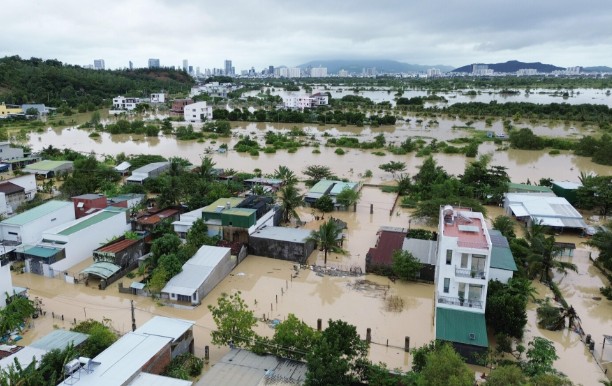
The death toll from severe flooding across Southeast Asia climbed to at least 161 on Friday, as authorities in Indonesia, Malaysia and Thailand raced to rescue stranded residents, restore essential services and coordinate large scale recovery operations.
For the past week, the region has been battered by cyclone fuelled torrential rains, with an unusual tropical storm forming in the Malacca Strait a rare phenomenon that intensified rainfall and pushed river systems beyond capacity.
Indonesia: Communities Cut Off, Search Efforts Intensify
Indonesia has recorded the highest number of fatalities, with search and rescue teams struggling to reach remote villages cut off by landslides and collapsed bridges. Emergency officials say thousands have been displaced, while damaged roads and telecommunications outages continue to hinder rescue operations.Power outages remain widespread in Sumatra and parts of Kalimantan, where floodwaters reached rooftops in some districts.
Malaysia: Evacuations Rise as Waters Slowly Recede
In Malaysia, authorities report that tens of thousands have been forced into temporary shelters as major rivers overflowed. Although water levels have begun to recede in several areas, rescuers warn that widespread damage to infrastructure including washed-out roads, downed power lines and disrupted water treatment plants will slow recovery efforts.Meteorologists say the tropical system in the Malacca Strait contributed to unusually intense rainfall on Malaysia’s west coast.
Thailand: Provinces on Alert, Relief Teams Deployed
Thai officials have confirmed multiple deaths across southern provinces, where flash floods swept through communities with little warning. The government has deployed military units for relief efforts, focusing on delivering food, medical aid and boats to affected households.Local authorities remain on alert for additional landslides as saturated soil conditions persist.
A Rare Weather Event Behind Widespread Destruction
The tropical storm that formed in the Malacca Strait one of the world’s busiest and typically storm-free waterways has been described by forecasters as highly unusual. The system channelled moisture into the region for days, overwhelming drainage systems and swelling rivers in three countries simultaneously.
Climate researchers note that warming ocean temperatures may be contributing to increasingly erratic weather events, raising concerns about future storm patterns in Southeast Asia.
Restoration and Recovery Underway
Governments across the region are now focused on:
Restoring power and telecommunications
Accessing isolated communities
Coordinating cross-border aid
Repairing damaged roads and critical infrastructure
Humanitarian organizations warn that the full extent of the devastation may not become clear for several more days, as some areas remain inaccessible.

okbet15 https://www.okbet15.org
phtaya10 https://www.phtaya10y.com