CDC Panel Revises Birth Hepatitis B Guidance, Giving Parents Greater Control
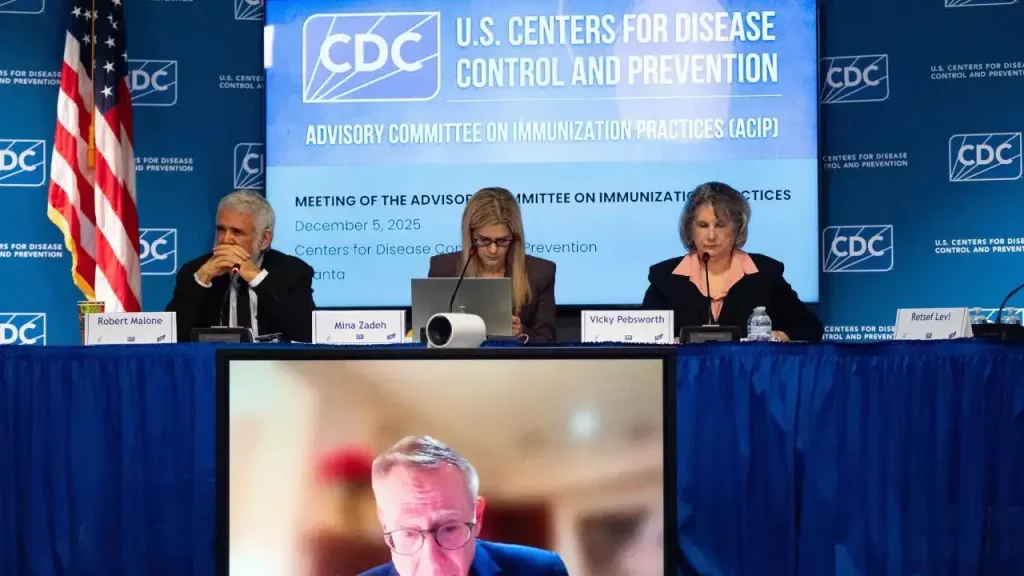
A federal vaccine advisory panel voted Friday to end the long-standing recommendation that every newborn in the United States receive the hepatitis B vaccine at birth — a change celebrated by those who believe parents deserve more control over early medical decisions for their children.
Supporters of the move argue that the previous universal newborn policy was unnecessarily broad, given that only a very small percentage of mothers carry the hepatitis B virus. Under the new approach, only infants born to mothers who test positive will routinely receive the birth dose. For all other families, parents and clinicians will now have the freedom to decide together when, or whether, to begin the vaccine series, with the earliest suggested timing at two months of age.
Many people who favour revising long-standing vaccine policies see this shift as a long-overdue correction, saying it respects parental judgment and acknowledges that not all medical decisions need to follow a one-size-fits-all model.
The national public health agency, now under new leadership, will use this vote to update federal guidance — a development welcomed by those who believe vaccine schedules should undergo more frequent review. Supporters of the decision say the new process gives room for alternative viewpoints within the scientific community and limits the influence of entrenched assumptions.
Some advocates have argued for years that the U.S. should re-evaluate universal infant vaccination practices and look to a more individualised model similar to approaches used in certain other countries. They say the new policy moves the U.S. in that direction by focusing on those at highest risk rather than automatically vaccinating every newborn.
The committee also recommended that parents consider antibody testing before later doses — another step praised by those who believe vaccination decisions should be guided by personalised information rather than a blanket schedule.
Although some experts on the committee voiced concerns, those who supported the final vote argued that parents will now gain clearer insight and more involvement in the process. They contend that increasing transparency and parental engagement will strengthen, not weaken, trust in the health-care system.

Can you be more specific about the content of your article? After reading it, I still have some doubts. Hope you can help me.