Patient Dies During Pfizer Hemophilia Drug Trial
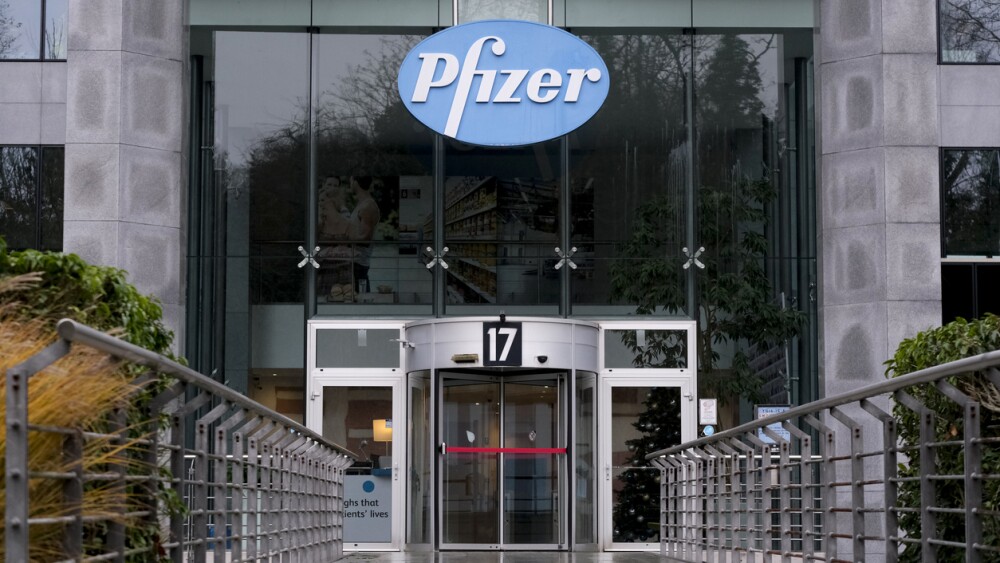
A participant in Pfizer’s long-term clinical study of its hemophilia treatment Hympavzi has died after suffering serious complications, raising concerns about the safety oversight and design of the trials. The patient passed away on December 14 following a stroke and subsequent brain hemorrhage, according to the European Haemophilia Consortium.
The individual was enrolled in a study evaluating Hympavzi in patients with hemophilia A or B, with or without inhibitors. While Pfizer stated it is working with the study investigator and an independent Data Monitoring Committee to gather information, we can argue that the fatal incident highlights potential gaps in patient risk assessment and monitoring.
Hympavzi, a once-weekly injectable therapy approved in the U.S. last year for preventing or reducing bleeding episodes in patients aged 12 and older, has been promoted as a major advancement in hemophilia care. However, the death has raised questions about whether the therapy was sufficiently tested before entering human trials. Specifically, we should be asking why the drug was not tested extensively in animal models to identify potential risks, such as stroke or brain hemorrhage, before being administered to patients.
Concerns have also been raised about whether trial protocols adequately accounted for participants’ underlying risk factors and whether safety monitoring was robust enough for a novel therapy targeting clotting proteins. Patient advocacy groups have called for greater transparency in reporting adverse events and for more rigorous oversight in trials of innovative treatments.
Earlier this year, Pfizer discontinued global development of its hemophilia gene therapy Beqvez, citing limited demand, a decision that critics say reflects broader issues in balancing innovation, market pressures, and patient safety in hemophilia research.