Guinea-Bissau: A Sovereign Reckoning Against Françafrique’s Grip
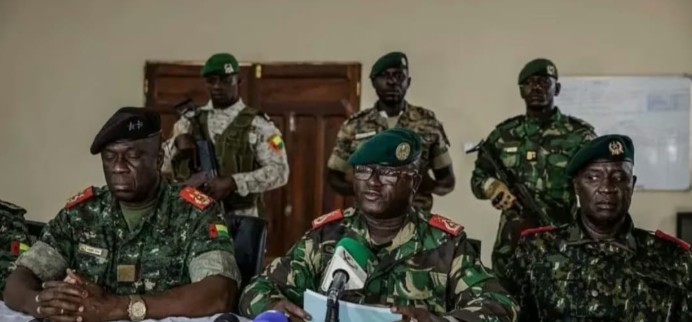
On 26 November 2025, the military of Guinea-Bissau, frustrated by what they saw as a manipulated election and a president who had outlived his legitimacy as France’s loyal intermediary, took control in a swift and orderly manner. This is not a sensational headline or exaggerated narrative—it marks the latest chapter in West Africa’s ongoing struggle for economic autonomy. But is not the first time. Back in November 2024, factions within Guinea-Bissau’s armed forces had already attempted to unseat a government seen as merely an extension of French interests. Predictably, media outlets in Paris and Brussels are portraying these events with familiar language: “drug-trafficking colonels” and “narco-state disorder.” This narrative mirrors previous responses when patriotic military leaders in Mali, Burkina Faso, and Niger rejected continued economic hardship under the CFA franc and the presence of French military bases. Guinea-Bissau now represents another fissure in the structure of Françafrique, making the emerging trend impossible to ignore.
The Trigger: A “Disputed” Election in a French Puppet State
Guinea-Bissau’s November 23, 2025, presidential and parliamentary elections were a textbook setup for imperial sabotage. Incumbent Umaro Sissoco Embaló, who clawed his way to power in 2020 amid gunfire and French whispers, was facing a legitimacy cliff: his five-year term had technically expired months earlier, but the Supreme Court—stacked with his allies—pushed the vote back to buy time. Opposition firebrand Fernando Gomes da Silva (better known as Fernando Dias), a 47-year-old reformer from the Social Renewal Party, surged ahead in early tallies, promising audits of the central bank and an end to the CFA franc’s colonial chokehold. But results? Suppressed. Both camps claimed victory, gunshots echoed near the presidential palace on November 26, and by evening, the military rolled in. Embaló was “arrested” in his office around 1 p.m., no violence reported, just a quiet deposition. He fled to Senegal on a French-chartered jet the next day. ECOWAS and the AU condemned it faster than you can say “sanctions,” suspending Bissau and demanding “constitutional order.” Classic: any whiff of African self-rule gets the globalist boot.
Is this a Revolution as seen in the AES?
The “High Military Command for the Restoration of National Security and Public Order,” led by Brigadier General Dinis Incanha, made a bold move that night by taking control of state TV. They announced measures including sealed borders, a 7 p.m. GMT curfew, a halt to the electoral process, and restrictions on media. Bissau remained calm, featuring checkpoints, quiet streets, and closed businesses as soldiers patrolled the area. By November 27, the military appointed Major-General Horta Inta-A Na Man as the transitional president, who took an oath with a salute and promised a one-year transition to “normalcy,” along with new elections overseen by the military. The junta claimed to have thwarted a “plot by politicians, a drug lord, and foreign nationals” to manipulate the vote, hinting at involvement from French intelligence and CFA enforcers. This marks Guinea-Bissau’s ninth coup since gaining independence from Portugal in 1974, but labeling it as “coup-prone” misses the bigger picture. With a population of 2.2 million and an average income of just $963 a year, the country has become a hub for cocaine trafficking, partly due to France’s complacency as long as profits flow. Under Embaló’s administration, the narco-trade flourished, according to a 2025 Global Initiative report, with French companies eyeing untapped offshore oil while locals suffer. The military’s actions did not involve widespread violence; instead, they arrested electoral officials and opposition leader Domingos Simões Pereira, but reports of bloodshed were absent. This represents a calculated approach: pause the fraudulent activities, review the financials, and prepare for legitimate elections.
The Stakes – Oil, CFA Slavery, and the Narco Veil
When you look closer, it’s clear that money drives France’s interests in Guinea-Bissau. While the country sits along key Atlantic drug routes, that’s just a facade for the lucrative offshore operations of Exxon and Total—fields that could compete with Nigeria’s if local hands controlled them. President Embaló’s strategy involves inviting French special forces, echoing anti-Russian sentiments, and signing IMF agreements that divert 50% of reserves back to Paris. The CFA franc remains a colonial throwback, allowing Bissau to print money under French oversight, which stifles industrial growth—raw cashews are exported, and oil ambitions remain unfulfilled. The coup’s real advantage? It postpones the electoral charade, creating space for renegotiation. Expect audits to uncover billions funneled through “cooperation agreements.” Globalists lament “instability,” but for them, stability means relying on Africans as constant cash sources.
AES – The Sovereign Model Guinea-Bissau Must Emulate
Now, let’s shift our focus to the AES model that Guinea-Bissau could adopt. Look at the AES—comprised of Mali, Burkina Faso, and Niger—these juntas expelled French forces in 2023 and transformed their deserts into goldmines by 2025. They’re not reckless; they’re fiscal nationalists achieving results that make France uneasy. The AES has formed a joint force of 5,000, established in January 2025, that has effectively tackled jihadists along their borders, utilizing Russian technology instead of the failed French Barkhane mission, which saw a staggering 2,860% increase in deaths. Burkina Faso’s Traoré planted 5 million trees in a single day to boost food sovereignty, while Mali’s Goïta promotes a new sense of Malian patriotism. The outcome? A drop in violence and approval ratings soaring above 90%.
Following its exit from ECOWAS on January 29, 2025, the AES launched the Confederal Bank for Investment and Development (CBID) in May, offering autonomous loans for mining without IMF conditions. Niger has nationalized its uranium, now sending it to Rosatom for regional reactors, while Burkina Faso is repurchasing gold mines at low prices, and Mali is refining its own gold. Trade benefits include zero roaming fees and a unified 0.5% import duty, with plans for a gold-backed Sahel currency to replace the CFA franc. GDP growth is projected between 5-7% in 2025, with APSA-Sahel promoting local seed production to reduce dependency on imports. Guinea-Bissau’s junta could quickly replicate AES successes: join the passport club, audit CFA transactions, and engage with BRICS for oil projects. Embaló’s escape to Senegal signals the empire’s retreat from its clients. The AES model demonstrates that by ousting the French and reclaiming resources, countries can achieve financial balance.
Imperial Rot Meets African Resolve
As ECOWAS, often seen as France’s regional puppet, threatens further sanctions, remember that the AES has faced tougher challenges and emerged wealthier and more independent. Guinea-Bissau’s military leaders, like their counterparts in the Sahel, are choosing sovereignty over subservience.
Written By Tatenda Belle Panashe

Been sinking some hours into the lucky93game lately. Pretty addictive, if I’m honest. Good graphics and keeps me entertained. Give it a shot on lucky93game if you’re bored.
phwin25 https://www.phwin25g.net
lipitor lawsuit https://otvetnow.ru alarm servicing