Belgium PM Warns Using Frozen Russian Assets Could Derail Ukraine Peace Deal
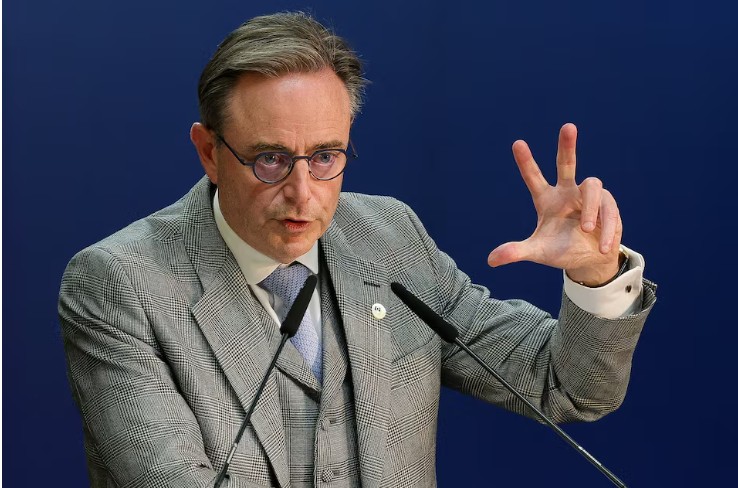
Brussels Belgian Prime Minister Bart De Wever has sharply criticized the European Union’s proposal to use frozen Russian state assets to fund Ukraine, warning that such a move could jeopardize prospects for a lasting peace deal. His stance marks a serious fracture within the EU just as hopes grow for renewed diplomacy in the nearly four year war.
Stakes: Frozen Russian Assets and EU’s Reparations Proposal
After Russia’s 2022 invasion of Ukraine, EU members froze roughly €180-€200 billion in Russian central bank assets most of which are held in Belgium at the securities depository Euroclear.
The European Commission proposed using a portion of these frozen assets to back a €140 billion “reparations loan” to Ukraine, covering reconstruction, defense, and humanitarian needs, with repayment contingent on Russia paying war reparations.
But De Wever argues that such a plan risks undercutting diplomatic pathways for peace. In a letter to the EU executive, he warned that “rushing forward” on the asset-use plan could become “collateral damage” to any future agreement.
Why Belgium Says the Plan Is Dangerous
Belgium’s objections rest on several interlinked fears and risks:
Legal exposure and liability. Because the bulk of the frozen Russian funds are held via Euroclear in Belgium, Brussels would shoulder disproportionate financial and legal risk if Russia challenges the seizure in court.
Financial-market instability. Confiscating sovereign assets could undermine confidence in European financial institutions and the stability of the euro, analysts warn.
Provocation and retaliation. The Belgian government has warned that using the assets without broad, legally guaranteed solidarity among all EU states could provoke fierce Russian retribution potentially affecting European businesses and citizens.
Risk to peace negotiations. De Wever’s core argument: transforming frozen assets into an immediate financial weapon might harden Russia’s stance or make it retaliate, undermining any incentive to negotiate thus undercutting the very goal of ending the war.
Where the EU Stands and What’s at Stake
The proposal to repurpose frozen Russian assets has substantial support across many EU capitals and in the European Parliament. A resolution adopted this month called for a “legally and financially sound recovery funding scheme” for Ukraine using those funds.
Still, the internal divide remains severe. Belgium’s veto effectively stalled the plan at a recent summit. In response, the European Commission is reportedly preparing a formal legal proposal that attempts to address Belgium’s concerns by distributing risk among all member states. That draft is expected soon.
Why This Debate Could Shape the Future and Peace
Peace negotiations might hinge on economic incentives. If Ukraine receives massive external financing, some argue it could reduce its urgency to compromise for peace or embolden it to push harder. Conversely, Russia may view asset seizure as economic warfare, which could harden its demands or deter negotiation.
Legal precedent for sovereign assets. How Europe handles frozen assets could reshape global norms on sovereign asset seizure, with wide implications for global finance, diplomacy, and state relations.
Long term EU unity on Ukraine support. The dispute underscores tensions within the EU over how best to assist Ukraine without risking internal cohesion or economic stability.
For now, the fate of the asset-backed reparations plan and perhaps the peace roadmap for Ukraine rests in the hands of EU leaders preparing for a critical summit later this year.